You've spent months researching autism, maybe gone through a formal assessment, or perhaps you've known for a while that you're autistic. Now you're wondering, should I tell people?
Maybe you're excited to share what you've discovered and hope it will help people understand you better. Or perhaps you're worried they'll question whether you're really autistic, start treating you differently, or dismiss what you've spent so much time figuring out.
You don't have to tell anyone you're autistic unless you want to. Sharing your autistic identity can help you get support, explain your needs, and feel more understood. But there can also be risks, particularly in relationships or environments where you haven't felt safe being yourself.
Why Telling People You're Autistic Can Feel So Complicated
For many late-identified autistic adults, discovering their neurotype changes how they understand experiences they've had throughout their lives. Things that were once attributed to being too sensitive, socially awkward, difficult, or anxious may start making more sense.
But if you've spent years masking, the people around you may not recognize how much effort has gone into appearing fine. They may have a hard time reconciling what you're telling them with the person they think they know, especially if their understanding of autism is based on stereotypes.
That's part of what can make disclosure complicated. You're sharing something that has changed how you understand yourself with people who may not have noticed what you've been experiencing all along.
What If You Decide Not to Tell Anyone?
Sometimes people feel pressure to disclose because they've spent so much of their lives masking and want to be more authentic. But being more comfortable with who you are doesn't necessarily mean telling everyone you're autistic.
You may have spent years sharing personal things with people only to have those experiences dismissed, questioned, or used against you. So even if discovering you're autistic has been incredibly meaningful, you might be hesitant to share that information with others. Maybe you're still figuring things out yourself and don't have the energy to answer a bunch of questions or defend how you arrived at this understanding.
There's also a difference between masking and choosing to keep something private. You can stop forcing yourself to make eye contact, give yourself permission to leave overwhelming situations, or ask for more direct communication without explaining your entire history to anyone. Of course, not everyone will be understanding of those changes, and sometimes deciding how much to share is complicated.
You might also have mixed feelings about keeping your autism private. Maybe part of you wishes the people in your life knew this about you, but you've decided that sharing it isn't worth the potential fallout right now. That can be a disappointing place to find yourself.
You don't have to make one decision that applies to everyone, and whatever you decide now doesn't have to be permanent.
How Do You Tell Someone You're Autistic?
Okay, so you've decided you want to tell someone you're autistic. Now comes the awkward part. How do you even bring that up?
Some people prefer having the conversation in person, while others would rather send a text or email. Especially if you need time to organize your thoughts or don't want to deal with a bunch of questions on the spot. You could even send someone an article that explains your experiences better than you can put into words yourself.
I think it helps to consider what you're hoping to get out of the conversation. Maybe you just want to share something important about yourself, or perhaps there are things you'd like the other person to understand or do differently. You don't need to give them a crash course on autism, and it's perfectly fine to say you're still figuring some of this out yourself.
One thing I'd also consider is whether you're comfortable with that person sharing the information with others. Just because you've told someone you're autistic doesn't necessarily mean you want the rest of your family or social circle to know. If you'd prefer they keep it private, say so. Of course, you can't always control what someone does with that information, so it's worth thinking about who you trust before sharing.
Coming Out as Autistic to Family and Friends
After discovering you're autistic, you may want to share what you've learned with the people closest to you. Maybe you're hoping your parents or siblings will finally understand why certain things were so difficult growing up, or perhaps you want your friends to understand why you sometimes cancel plans, prefer texting over phone calls, or need a few days to recover after socializing.
Some people in your life may not be particularly surprised. They might have already noticed some of these things about you without necessarily connecting them to autism. Others may have questions, especially if their understanding of autism is based on stereotypes.
Sometimes sharing your autistic identity can open up conversations you wish you'd been able to have years ago. You might find that your friends are more understanding when you explain why you prefer quieter places to hang out or why you sometimes need a few days to yourself. And occasionally, you might discover that someone else in your family has been wondering whether they're autistic, too.
Of course, not everyone is going to respond the way you hoped.
More Resources
Coming Out to Family and Friends as Autistic — NeuroClastic
Coming Out as Autistic — Dr. Megan Anna Neff
When Family or Friends Don't Believe You're Autistic
You might hope that telling someone you're autistic will finally help them understand some of the things you've struggled with throughout your life. Instead, you hear things like "But you were never like that as a child," "Everyone has those problems," or my personal favorite, "You don't look autistic."
Sometimes people have a pretty limited understanding of autism, especially when someone doesn't fit the stereotypes they've seen. Family members may even recognize similar traits in themselves and assume everyone experiences those things. Other times, though, their reaction is part of a longstanding pattern of dismissing or minimizing your experiences. If you've spent much of your life feeling like the difficult one in the family, their response to your autism discovery may feel awfully familiar.
And it can be really disappointing. You've probably spent a lot of time researching autism, looking back at your life, and trying to make sense of things. Then someone who hasn't done any of that tells you you're wrong about yourself. You might find yourself wanting to explain everything you've learned, give them examples from your childhood, or send them every article you've ever read about autism.
You can certainly share information if you want to, and sometimes people do become more understanding as they learn. But if someone keeps dismissing your experiences, you may eventually decide that discussing your autism with them isn't worth the frustration. That can be especially hard when it's a parent, sibling, or someone whose understanding you've wanted for a long time.
More Resources
Telling Your Partner You're Autistic
Discovering you're autistic can change how you understand your relationship, especially if you've been having the same arguments for years about things like needing time alone, feeling overwhelmed at family gatherings, or struggling to communicate with each other.
Suddenly, some of those patterns may start making more sense. You might realize that what your partner sees as you pulling away is actually your need to recover after a long day of interacting with people. Or that some of your communication difficulties come from having different expectations about how much should be said directly versus implied.
Sharing this new understanding with your partner can open up some useful conversations, although their reaction may not be what you hoped for. They may have their own assumptions about autism or need time to understand what it means for your relationship.
I think it helps to focus on your actual experiences rather than trying to explain everything about autism at once. What do you need your partner to understand? Are there things you could both do differently to make life easier? Ideally, this becomes something you figure out together rather than another situation where you're expected to do all the accommodating.
More Resources
Deciding Whether to Disclose Autism at Work
Deciding whether to tell your employer you're autistic is a little different from telling friends or family. There may be practical reasons to disclose, especially if you're struggling with things at work that could be improved with accommodations.
Maybe you do better with written instructions, need fewer interruptions, or find yourself completely drained by the noise and activity in your office. You'd like some things to change, but you're not sure how much information you want to share or whether disclosing could affect how people see you professionally.
Under the Americans with Disabilities Act (ADA), you may be entitled to reasonable workplace accommodations. You don't necessarily have to disclose autism specifically when making a request, although your employer may ask for documentation of a qualifying disability and why an accommodation is needed. Depending on your circumstances, you may need documentation from a healthcare professional, but that doesn't necessarily mean going through a full autism assessment.
Before deciding what to share, I'd encourage you to learn about your rights and consider what accommodations would actually make your work environment more manageable. You may decide to talk with HR or a supervisor, or you may decide that disclosure isn't something you're comfortable with right now.
More Resources
How Therapy Can Help You Navigate These Decisions
Sometimes it's helpful to talk through these decisions with someone who understands autism, particularly if you're dealing with complicated family relationships or a partner who hasn't been especially supportive.
As a neurodivergent psychologist who identified as ADHD later in life, with autistic traits of my own, this work is both professional and personal for me. Much of my work involves helping late-identified autistic and AuDHD adults understand their experiences and figure out how to navigate relationships without constantly having to explain or defend themselves.
In therapy, we can sort through who you want to tell, what you're hoping they'll understand, and how to handle reactions that aren't what you expected. Sometimes that includes setting boundaries with people who continue to dismiss your experiences.
I offer online therapy for adults in Texas and PSYPACT states and a free 20-minute consultation if you'd like to talk about whether working together would be a good fit.
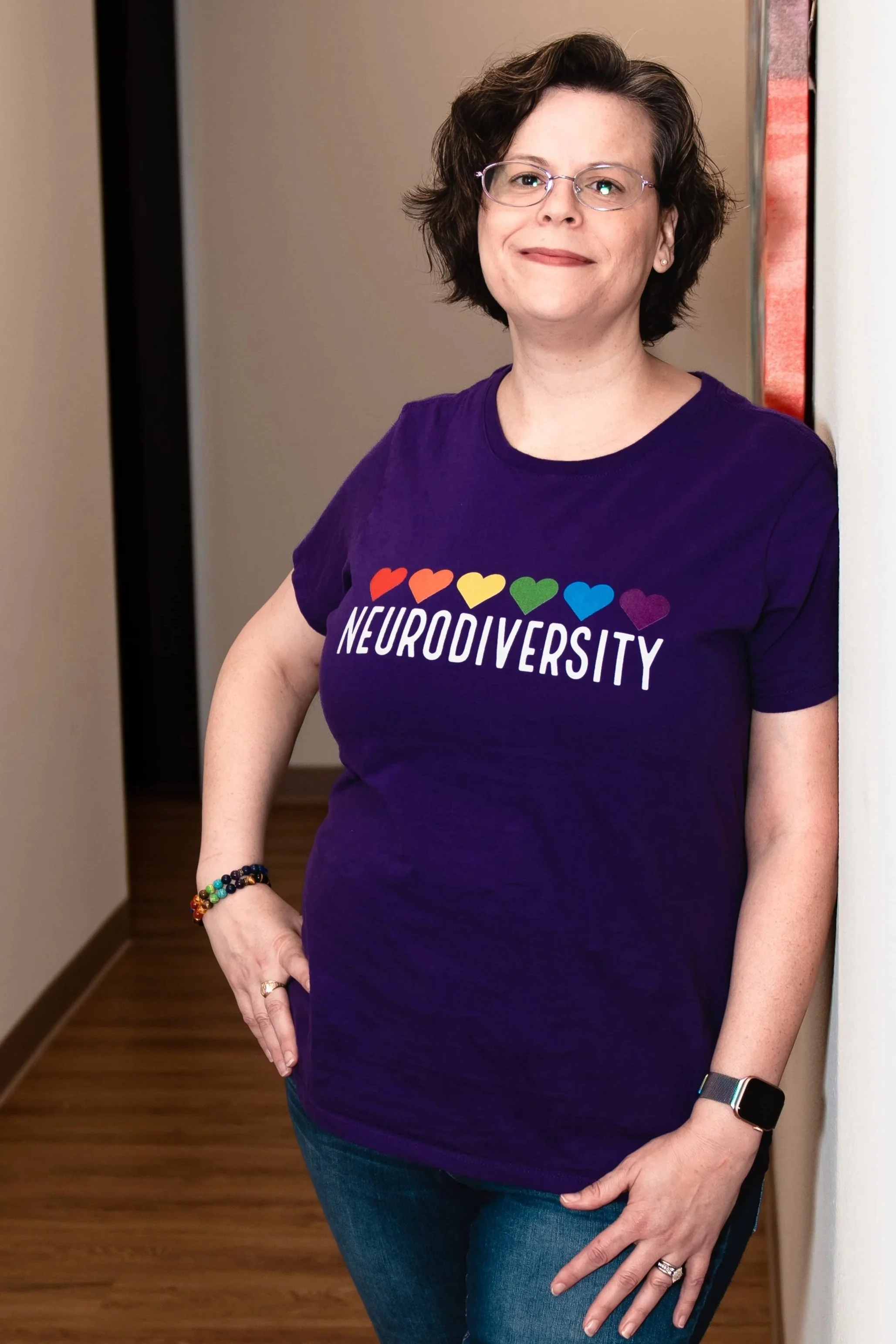
Dr. Christine Henry, Licensed Psychologist
I’m Dr. Christine Henry, a licensed psychologist who works with ADHD, autistic, and AuDHD adults. I bring both clinical experience and lived experience as someone with ADHD and autistic traits to my work.
Therapy with me is conversational, direct, and often includes a little humor. You don't have to organize your thoughts, sit still, make eye contact, or apologize for going off on a tangent. And yes, your pets are welcome, too!