I remember the first time I went out to eat after the thick of the pandemic was over and thinking, this is a lot. The plates were clanking, I could hear multiple conversations happening around me, someone in the booth next to us had on really strong cologne, and then it felt like we waited forever for our food. I remember looking around and thinking, how did I used to do this all the time? Why would I choose this when I could just pick up the food, take it home, and eat it in peace?

One good thing that came out of the pandemic for me was realizing I actually had sensory needs. Before that, I was so used to just dealing with everything that I did not really notice how much effort it was taking. But over time, I also started thinking about the things I wanted to do that I was no longer doing. Staying home was easier. Sometimes it was exactly what I needed. Other times, I missed being out with people I cared about and wanted to figure out how to make that work for me.
What Do I Mean by Overaccommodating Yourself?
When I say “overaccommodating yourself,” I’m talking about changes that bring immediate relief but eventually leave you missing things you want in your life. This can happen for ADHD and autistic adults and highly sensitive people. Needing substantial accommodations, spending more time at home, or having less capacity during burnout doesn’t automatically mean you’re overaccommodating yourself. What I’m interested in is whether your approach is still working for you.
Why Neurodivergent People Felt Better Staying Home During the Pandemic
For a lot of neurodivergent people, staying home removed a huge amount of friction from everyday life. We could control the lighting, the noise, the temperature, what we wore, when we took breaks, and how much we had to interact with other people. There were fewer transitions, no commute, fewer random interruptions, and a lot less small talk.
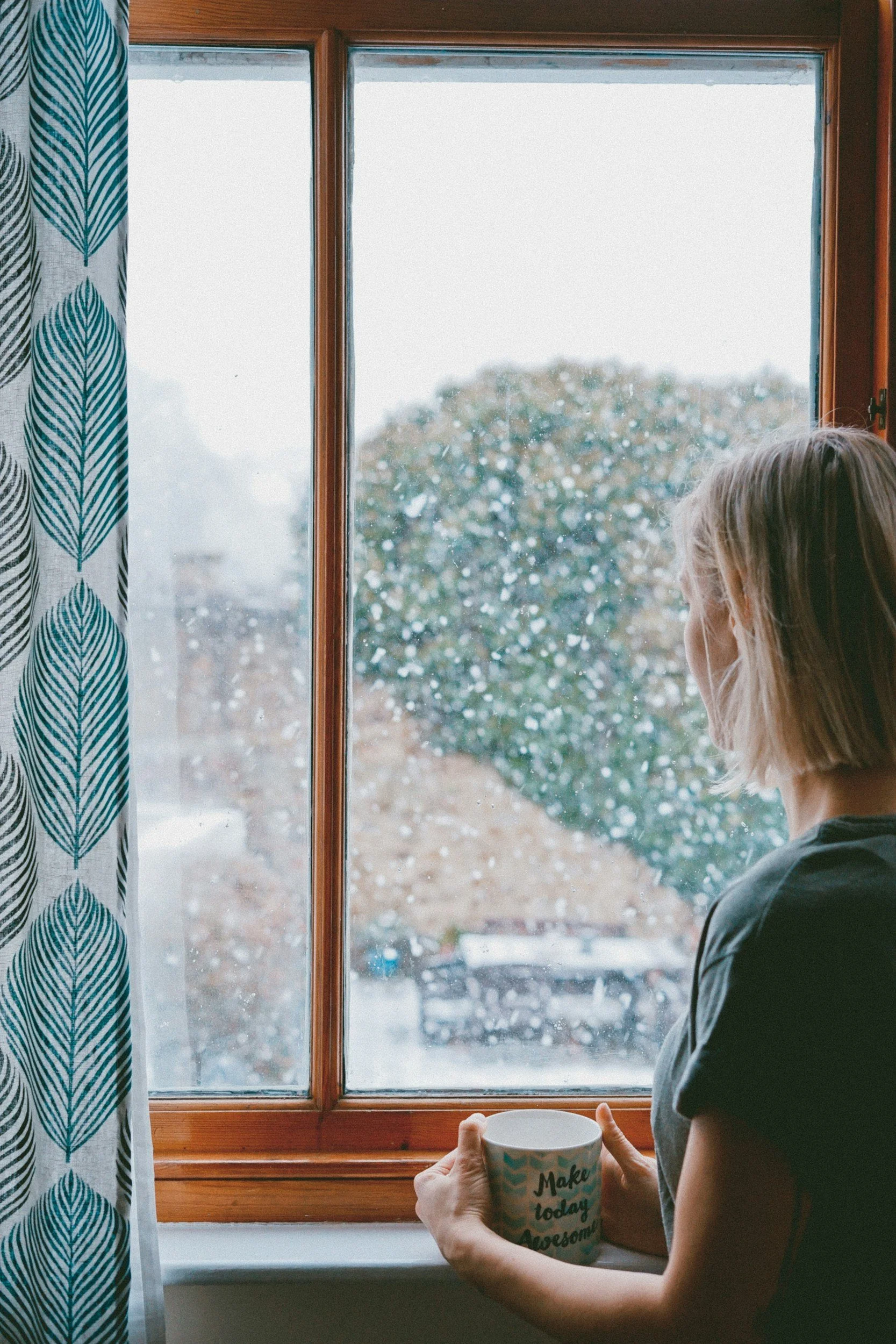
We also did not have to spend as much energy preparing for social situations. No rehearsing conversations in your head before you had them. No replaying them afterward and wondering if you said something weird. No standing in a hallway trying to figure out when it was your turn to talk. No fluorescent lights. No crowded stores. No loud restaurants. No wondering what your face was doing while someone was talking to you. Masks were especially helpful for that.
For some of us, having so much of that stripped away made it easier to notice things about ourselves that had probably been there all along.
Are Your Accommodations Helping or Limiting You?
I want to be really clear here. This is not an argument for getting rid of accommodations or forcing yourself to tolerate things that make your life harder. I am not going to tell you to take off your headphones, sit under fluorescent lights, and call it personal growth.
Accommodations can be incredibly helpful. For many neurodivergent people, they are what make it possible to work, socialize, leave the house, or just get through the day without completely draining ourselves. And sometimes staying home really is what you need. Sometimes ordering food instead of sitting in a loud restaurant is the better choice. Sometimes saying no is taking care of yourself.
When Avoiding Something Really Does Feel Better
Avoidance can be tricky because a lot of the time it works. You skip the party and your anxiety goes down. You stop reaching out to people and there are no awkward conversations to replay afterward. Your brain goes, great, let’s do that again.
The harder question is whether that relief is still helping you over time. If you’re burned out, overloaded, or struggling to get through the day, pulling back may be necessary. Feeling better after canceling doesn’t tell you, by itself, whether you needed rest or whether anxiety was getting in the way. Sometimes both are true.
Why ADHD Brains Often Need External Structure
ADHD can add another layer because having fewer demands can feel great, but some of those demands may also have been giving your day structure.
If you’re meeting a friend for a walk, you have a reason to get dressed and leave the house. If someone is coming over, cleaning the kitchen may suddenly become easier to start. There’s an outside reason to do the thing, which can help when getting started on your own is difficult.
So when we remove exhausting obligations, we may also lose some useful supports. You might feel relieved to have fewer commitments but find yourself more stuck or unsure how to get going. That doesn’t mean you need your old schedule back. A regular plan with someone you enjoy or some company while you tackle a task may help, if it fits your capacity.
Too much structure can become another source of stress. It’s worth noticing which commitments help you and which ones leave you depleted.
Making Room for Things You Want to Do
You might prefer a quieter life with less social interaction, and there is nothing wrong with that. But perhaps you’re lonely, missing your friends, or wishing you could get back to something you used to enjoy.
It’s worth looking at what’s getting in the way. Social plans may still be built around settings that overwhelm you. Burnout may have left you with less capacity than you used to have, or anxiety about reconnecting may make it harder to reach out. Those can overlap, and they call for different kinds of support.

You may not need to do something the way everyone else does it. You can make it quieter, shorter, more predictable, or give yourself an easier way out. If you love live music but struggle with crowds, a smaller venue with seating might work better. Or you might decide that watching a concert at home with a friend sounds much more enjoyable.
There may still be some discomfort, even with accommodations. Whether it’s manageable depends partly on what happens afterward. Enjoying an evening out doesn’t erase the cost of spending the next two days recovering, especially if you need that energy for other things.
You can try a smaller version, change the plan, or decide it’s too much right now. Your capacity won’t be the same every time.
Accommodating Yourself Without Losing What Matters
I still think restaurants are loud. I notice the plates clanking, the conversations around me, and sometimes the person nearby wearing way too much cologne. Eating takeout at home is absolutely easier on my sensory system.
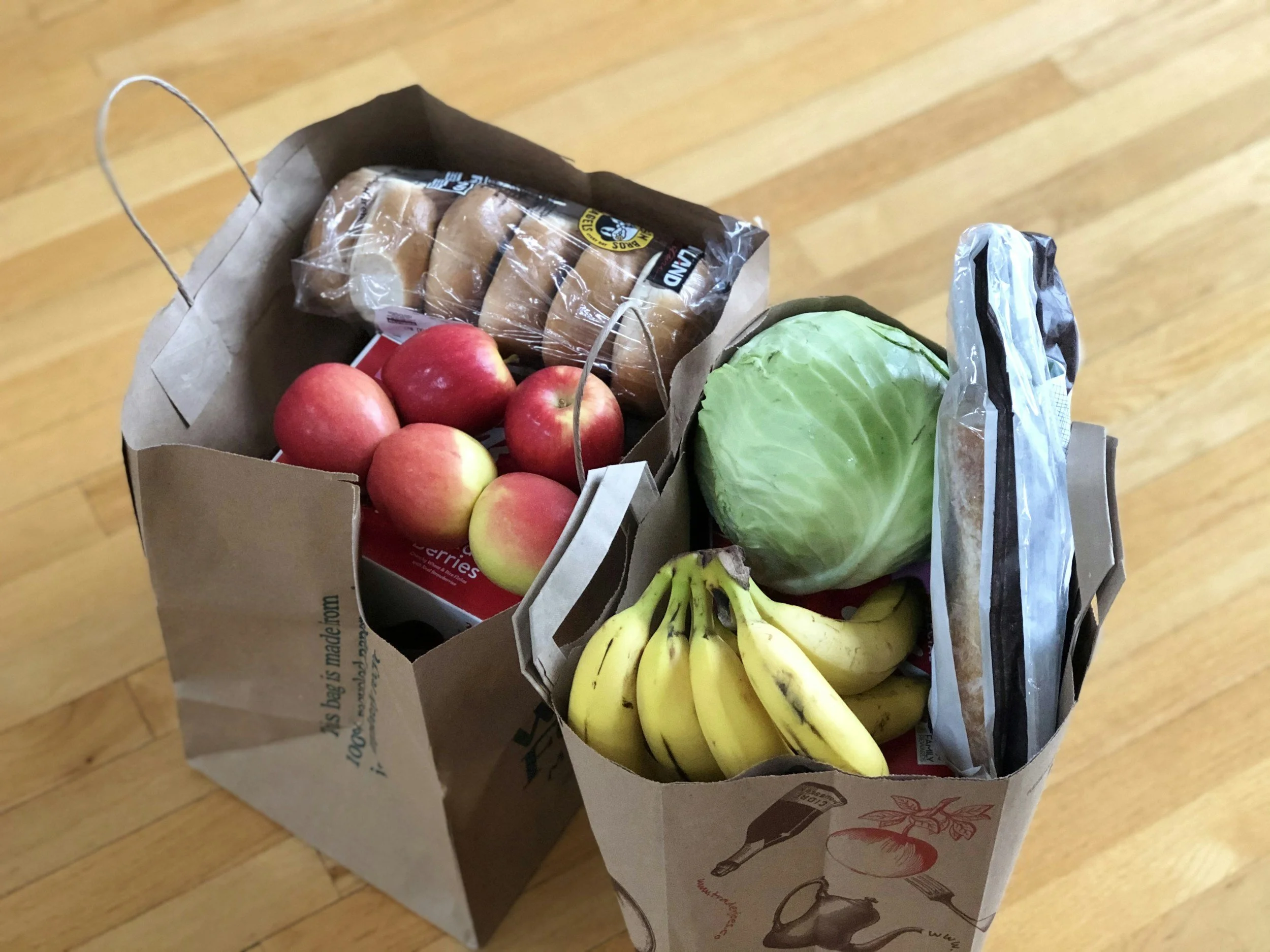
Sometimes I go out because I want to spend time with friends and family. We go early, pick quieter restaurants, and I consider what else I have going on that week. Other times, we get food and eat at someone’s house. I get to enjoy their company without spending so much energy dealing with the setting.
That’s what I want to leave room for when I talk about overaccommodation. If you’re missing something, we can get curious about what might help you have some of it back. The answer may involve doing things differently than you used to, with more support than you had before.
Frequently Asked Questions
-
Sometimes you won’t know right away. You can feel anxious about an activity and also lack the energy or sensory capacity for it. Consider what it costs you, including the recovery afterward. If it’s something you want to do, would a quieter setting, shorter visit, or some company make it manageable? Sometimes the answer is still that you need rest.
-
Avoiding overload doesn’t automatically make your sensory needs worse. After time in a comfortable environment, you may notice how much effort other settings require. Anxiety about returning can also become part of the picture. It helps to consider both rather than assuming you just need to get used to it again.
-
That’s okay. A quieter life can be a satisfying one. You might prefer having a friend over, connecting online, or spending time with your pets. If you feel lonely or miss something you used to enjoy, that’s worth exploring. It doesn’t mean you need to start going to parties.
-
Think about what you want from it and how you tend to feel afterward. Something can be enjoyable in the moment and still cost more than you can afford in recovery. You can also change your mind. An activity that felt manageable last month may be too much during a stressful week.
-
Yes. Highly sensitive people may also need quieter environments and more recovery time. If you’re missing something you care about, you can explore ways to make it more comfortable without dismissing those needs. You don’t have to give up your accommodations to try something different.
Dr. Christine Henry, Licensed Psychologist
I’m Dr. Christine Henry, a licensed psychologist who works with ADHD, autistic, and AuDHD adults. I bring clinical training and lived experience as someone with ADHD and autistic traits to this work.
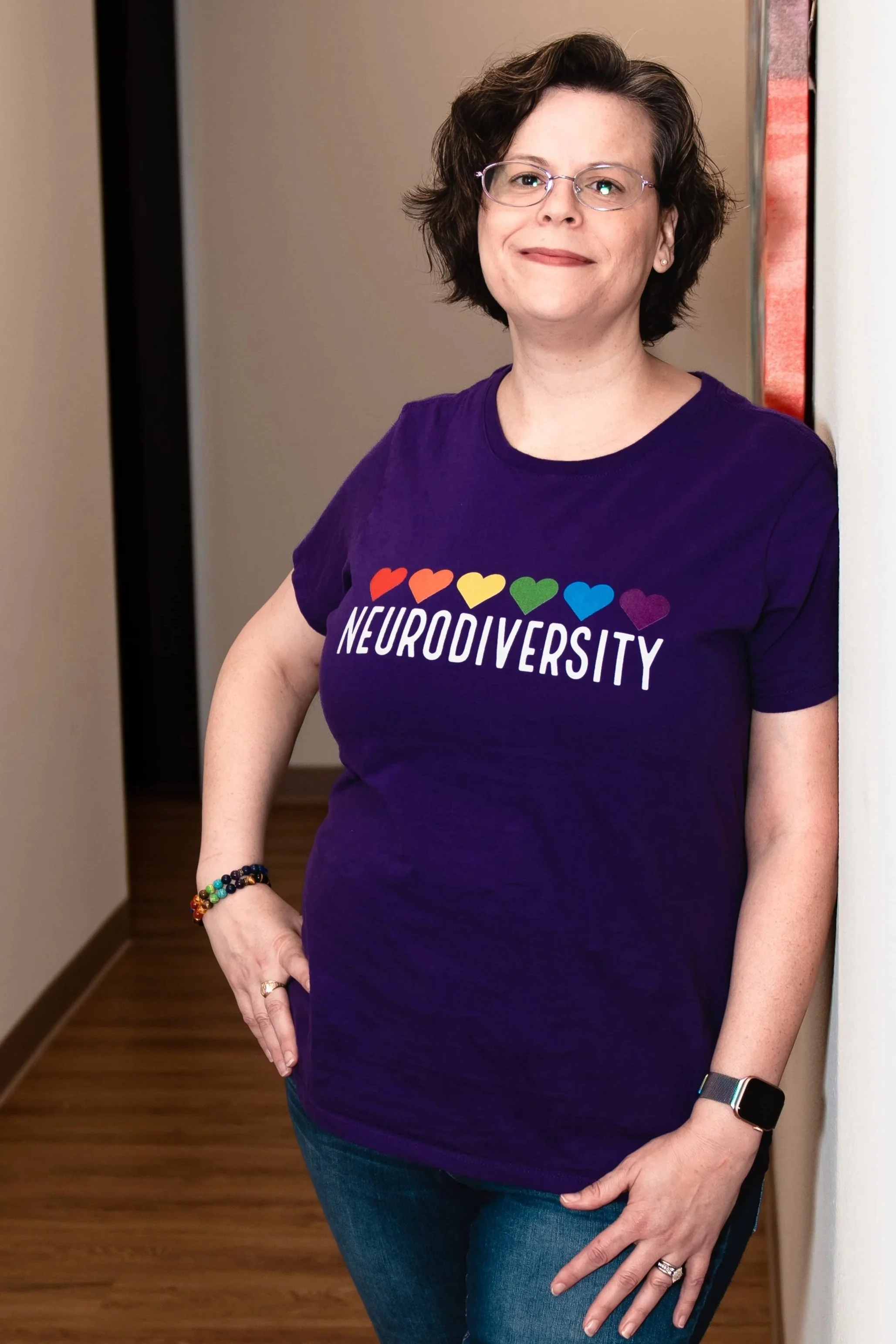
Therapy with me is a back-and-forth conversation. I’ll share what I’m thinking, ask questions, and help you make connections. I’m direct, kind, and comfortable finding humor even when the conversation is hard. You don’t need to organize your thoughts beforehand. Notes are welcome if they help, and we can follow a tangent without you needing to apologize for it.
You’re welcome to get comfortable during our video sessions, whether that means moving around, having a snack, changing the lighting, or looking away while you talk. Your pets can join us, too. Mine will probably be asleep behind me. If you spend much of your life adjusting to everyone else, I want there to be room for your comfort here.